
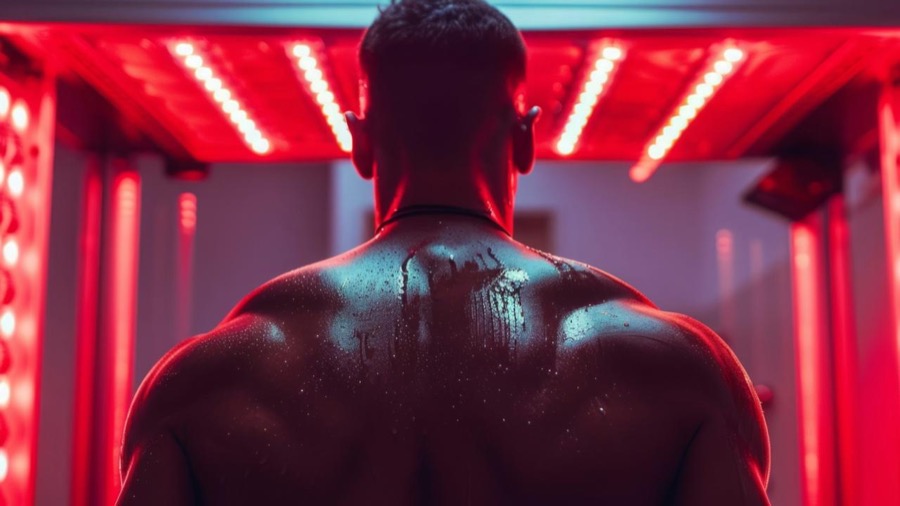

If you have a sauna and a cold plunge in the same place, the first question is which one to do first. For most people the answer is heat first, then cold, repeated for a few rounds. This guide explains why that order works, how long to stay in each, how many rounds to do, and where red light and the rest of a recovery visit fit.
It is also a good time to build the habit. The weeks before the holidays tend to bring less sleep, more travel and richer food, and a simple routine you can repeat once or twice a week is easier to keep than one big reset in January.
The short answer
- Order: sauna first, then cold plunge. Rest a few minutes, then repeat.
- Time: about 10 to 15 minutes in a traditional sauna, then 1 to 3 minutes in the cold plunge.
- Rounds: two or three rounds is plenty for most people. One is fine when you are starting out.
- Finish: end on cold if you want to feel alert, or finish with a few warm minutes if you are heading home to sleep.
Why heat first, then cold
A sauna raises your skin and core temperature, widens your blood vessels and lifts your heart rate, much like light exercise. Stepping into cold water then narrows those vessels quickly. That swing between hot and cold is the point of the routine, and it is often called contrast therapy.
Starting warm also makes the cold more manageable. A plunge feels far less harsh when your body is already hot, so most people can stay in long enough to get the benefit without fighting the urge to climb out. Starting cold works too, but it is harder to tolerate, and you lose the contrast that makes the routine feel so good.
What the research supports is fairly modest and worth stating plainly. Reviews of contrast water therapy find that it reduces muscle soreness and the feeling of fatigue after exercise compared with simply resting. Large observational studies from Finland link regular sauna use with better heart health, though those studies show an association rather than proof. Many people use the routine for how it makes them feel: looser, calmer and more awake. For more on each side, see cold plunge vs infrared sauna.
How long to stay in each
Traditional sauna: our traditional dry sauna runs hot and dry, around 160 to 190 degrees. Ten to fifteen minutes is a good session. Start shorter if you are new and leave as soon as you feel lightheaded. Our guide to using a dry sauna like a pro covers the basics.
Infrared sauna: infrared heats your body directly at a lower air temperature, so sessions run longer, usually 30 to 40 minutes. Ours is paired with salt therapy. See infrared sauna and salt therapy.
Cold plunge: our cold plunge sits around 45 to 55 degrees. One to three minutes is enough. Breathe slowly through the first 30 seconds, which is when the urge to gasp is strongest. Longer and colder is not better.
Rest: take three to five minutes between rounds. Sit, drink water and let your breathing settle before you go back into the heat.
A simple routine to follow
- Drink water and rinse off.
- Sauna for 10 to 15 minutes.
- Cold plunge for 1 to 3 minutes.
- Rest for 3 to 5 minutes.
- Repeat for two or three rounds in total.
- Finish with red light or compression if you have time, then rehydrate.
If you prefer warm water to a sauna, the same pattern works with a hot plunge and a cold plunge, which is how our contrast therapy experience is set up. If you would rather stay dry, dry contrast therapy alternates the sauna with our Chill Chamber instead of water. We explain the method in more depth in contrast therapy for recovery.
Where red light and the rest of a visit fit
There is little research on whether red light works better before or after a sauna, so the order comes down to comfort. Most people prefer it after the hot and cold rounds, once their skin is dry and their heart rate has settled. A session in our Theralight 360 red light bed takes 10 to 15 minutes, which makes it an easy way to wind down at the end.
Compression therapy also fits well at the end, when you are already sitting down and relaxed. A vitamin shot can be added on the same visit and takes only a few minutes.
When to change the order
After strength training: if your main goal is building muscle, avoid a cold plunge right after lifting. Research suggests that cold water immediately after strength training can blunt some of the muscle gains from that session. Plunge on rest days, or wait several hours after lifting. The sauna on its own is fine after a workout.
Before bed: cold tends to wake you up. If you are visiting in the evening and want to sleep well, end with a few warm minutes or with red light instead of finishing on cold.
Who should check with a doctor first
Heat and cold both put real demand on your heart and blood pressure. Talk to your doctor before you start if you have heart disease, high or low blood pressure, are pregnant, or take medication that affects your heart rate. Skip the routine if you have been drinking alcohol, and never plunge alone. Step out of the cold slowly, because standing up quickly after heat can make you lightheaded.
Sauna and cold plunge at Recovery Project
At RECOVERY PROJECT in Magnolia, the traditional dry sauna, infrared sauna, cold plunge, hot plunge, Chill Chamber and red light are all under one roof, so you can move from one to the next without leaving the building. Our team will walk you through your first round and help you set times that suit you. We serve guests from across greater Houston, including The Woodlands, Tomball, Conroe and Spring.
If you plan to make this a weekly habit, a membership is usually the better value. You can also book your first visit to try the routine before you commit.
Frequently asked questions
For most people, after. Going from the sauna into the cold plunge gives the strongest contrast and the cold is easier to tolerate when you are already warm. Rest a few minutes, then repeat for two or three rounds.
About 10 to 15 minutes in a traditional sauna, or 30 to 40 minutes in an infrared sauna, which runs at a lower temperature. Leave sooner if you feel dizzy or lightheaded.
One to three minutes at around 45 to 55 degrees is enough for most people. Longer and colder does not add much benefit and raises the risk of feeling unwell.
Two or three rounds is a common routine. If you are new, one round is fine, and you can add more once you know how your body responds.
It is a traditional rule of thumb that the temperature in degrees Fahrenheit plus the humidity percentage should add up to about 200. It describes a comfortable balance of heat and steam. It is a guide to comfort, not a medical rule.
There is little research on the order, so choose what is most comfortable. Most people prefer red light after the hot and cold rounds, once their skin is dry and their heart rate has settled.
Cold water causes a sharp jump in heart rate and breathing, so people with heart conditions or blood pressure problems should check with a doctor first. Cold right after strength training may also reduce muscle gains from that workout, so plunge on rest days if building muscle is your goal.
Ready to feel better?
Book a consultation and build a recovery plan around your goals.
Book a Consultation